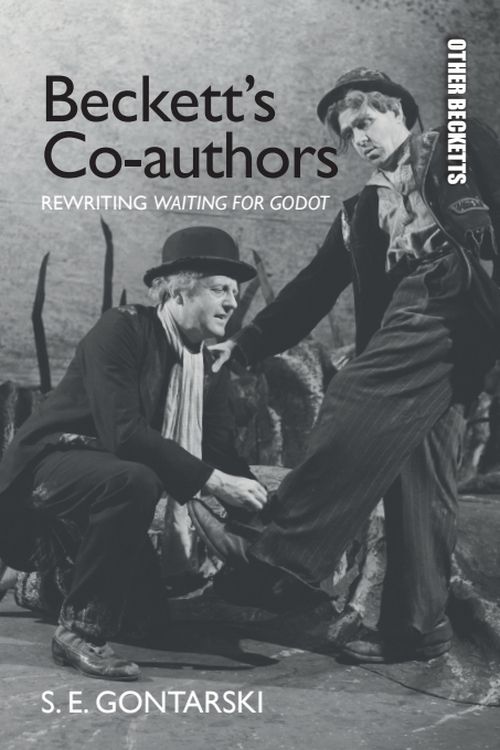
New Publication: Beckett’s Co-authors: Rewriting Waiting for Godot by S.E. Gontarski

A new publication from S.E. Gontarski has been announced by Edinburgh University Press in their Other Becketts series. Titled Beckett’s Co-authors the work, we are told, ‘takes a fresh look at Samuel Beckett and the business of authorship, especially his involvement in the complicated machinery of commercial theatre. Focusing particularly on Beckett’s first professionally produced play, Waiting…

Read More

New Georgian Translation of Waiting for Godot

In March 2020 Inga Zhghenti’s translation of Waiting for Godot received critical acclaim as the first Georgian translation of Beckett’s play (from the English text). The translation has been uploaded to the Internet Archive of Georgian Theatre, and is available here. Zhghenti is currently an associate professor at East European University and an invited lecturer at Caucasus University.

Read More

Alvin Epstein, Theatre Director and Actor Associated With Beckett’s Work, Dies at 93

“Alvin Epstein, a classical stage actor and director who appeared in the Broadway premiere of “Waiting for Godot” and went on to become widely known for his mastery of that and other plays by Samuel Beckett, died on Monday in Newton, Mass. He was 93.

[…]

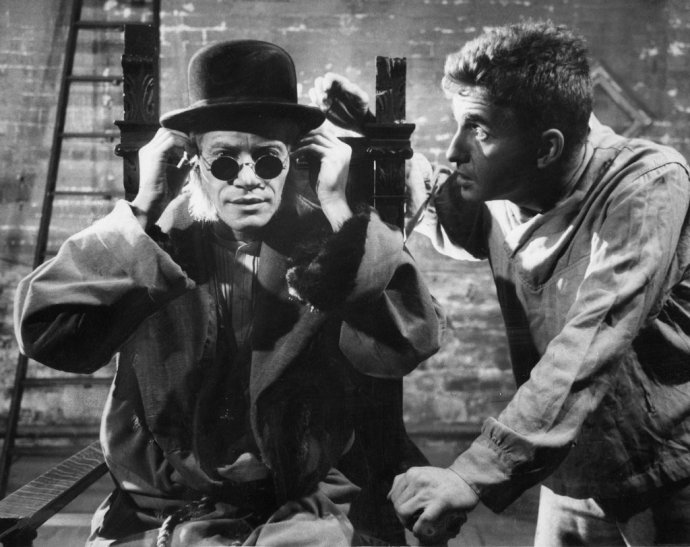
Mr. Epstein’s acting career ranged across the Greeks, Shakespeare, Pirandello and the occasional musical, but Beckett was always at its core. He played the slave Lucky, who delivers a 700-word monologue, in the first Broadway staging of “Godot,” Beckett’s groundbreaking existentialist work.

Although Mr. Epstein never met Beckett — he did talk to him by telephone — he came to know that playwright through his words. “Alvin knows the material so well, it gives him the confidence — the courage, really — to do what’s right,” Charlotte Moore, who directed “Endgame” at the Irish Rep, said in an interview with The Times in 2005. “He doesn’t hit anything with a hammer, because he doesn’t have to.”

— The New York Times

Read More

“As with many works of literature, it is easier to say what Samuel Beckett’s Waiting for Godot is not about, or what it is almost about, than to state its theme definitively or be certain, or even fully uncertain, about its meaning or indeed its origin in Beckett’s imagination. Most ways of describing it require terms that are in conflict with each other. Thus the play is concerned with exhaustion, with language and communication in a state of decay, but it is also nourished by strange energy, by wit, by tension, by moments of pure verbal excitement.”

Colm Tóibín

“Soft Border. Hard Beckett.”

“This latest Godot is part of the Happy Days: International Beckett Festival, now in its sixth edition, which shares August with the somewhat newer Lughnasa Frielfest, dedicated to another famous Irish playwright and located further up the Brexit frontline, at venues in Derry and Donegal. ” Frank McNally, The Irish Times

Read More